
• Home
  • Wellness
  • Life&Balance
  • Healthy Planet
  • Life Tips
  • Mind&Body
logo
  • Home
  • Wellness
  • Life&Balance
  • Healthy Planet
  • Life Tips
  • Mind&Body
  • Healthy Planet

Environmental Protection Is a Global Challenge

2025-12-20 By Ryan Ellis

Environmental issues know no borders; all countries need to cooperate within a global framework to jointly address global challenges such as climate change. Promoting green technologies is crucial. Improving energy efficiency and developing renewable energy through technological innovation are important means of reducing carbon emissions. Popularizing environmental education is essential. Only when the public fully understands the severity of environmental problems can environmental awareness be translated into concrete action. Establishing incentive mechanisms is vital. By rewarding environmentally friendly behavior and reducing the cost of green products, more people can be encouraged to participate in environmental protection. Environmental protection is a shared responsibility of humanity and a commitment we make to future generations.
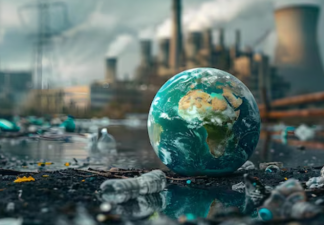

Environmental Protection

  • Climate change is one of the biggest environmental problems facing the world today. Climate change leads to rising global temperatures, rising sea levels, and increased extreme weather and natural disasters.
  • In addition to climate change, air pollution, water pollution, land degradation, and biodiversity loss also threaten human health and survival.
  • Individual lifestyles have a significant impact on environmental protection. For example, saving water, reducing the use of plastic bags, choosing public transportation, and reducing meat consumption can all reduce the burden on the environment.
  • Governments and businesses play a vital role in environmental protection. Governments can formulate environmental protection laws and policies, and businesses can adopt environmentally friendly technologies and measures to reduce their environmental impact.
  • Environmental protection requires global cooperation. Governments, businesses, and individuals worldwide should all shoulder their responsibilities and work together to protect our planet.

Environmental Issues

  1. Climate Change:

Climate change is one of the most serious environmental problems globally. For a long time, human emissions of large amounts of greenhouse gases, such as carbon dioxide, methane, and nitrous oxide, have intensified the greenhouse effect in the Earth's atmosphere, causing global warming. Global warming has triggered numerous problems, such as an increase and intensification of extreme weather events (e.g., tornadoes, hurricanes, and droughts), and rising sea levels due to glacial melting.
  1. Biodiversity Loss:

The rate of species extinction is accelerating, and biodiversity loss has become another significant environmental problem. Excessive ecosystem destruction, habitat loss, illegal wildlife trade, and climate change threaten many plants and animals, negatively impacting the stability and function of ecosystems.
  1. Water Scarcity and Pollution:

Globally, water resources are becoming increasingly scarce, and many countries and regions face severe water crises. Unsustainable water management, pollution, and climate change are putting pressure on water supply and quality, threatening human health, agriculture, and ecosystems.
  1. Air Pollution:

Emissions of waste gases and harmful substances from industrial and transportation activities contribute to air pollution problems. Pollutants such as fine particulate matter (PM2.5), ozone (O3), and nitrogen dioxide (NO2) have serious impacts on human health, particularly in urban areas.
  1. Waste and Plastic Pollution:

Waste and plastic pollution has become a global environmental problem. Large amounts of plastic waste enter the ocean, damaging marine ecosystems and harming marine life. Furthermore, the construction of landfills pollutes soil and groundwater.
  1. Land Degradation and Deforestation:

Unsustainable agriculture, overgrazing, and illegal logging caused by human activities lead to land degradation and deforestation. This results in ecosystem destruction, declining soil quality, and the occurrence of natural disasters such as droughts and floods.
  1. Energy and Resource Consumption:

Overexploitation and consumption of natural resources by humankind, including oil, coal, and ores, have led to resource depletion, energy crises, and environmental damage, exacerbating climate change.


Conclusion

In conclusion, people should approach environmental issues with a positive and responsible attitude. Only through joint efforts, global cooperation, and sustained action can we protect and improve our environment, creating a sustainable and beautiful world for future generations. Environmental protection is a shared responsibility of humanity and a commitment we make to future generations. This process requires not only the support of science and technology but also the active participation and change of every individual. Let us start with small things in our daily lives, from a reusable shopping bag to a sapling, to jointly create a sustainable home for our planet.

Recent Posts

Why Protecting Wildlife Protects Us Too

Are We Doing Enough to Reduce Plastic Waste?

Why Urban Green Spaces Matter More Than We Think

Protecting the Earth Starts With Understanding It

What Causes Poor Air Quality?

Environmental Protection Begins at Home

  • About Us
  • Privacy Policy
  • Terms of Use

©Copyright 2025 Wisdom Live. All Rights Reserved.